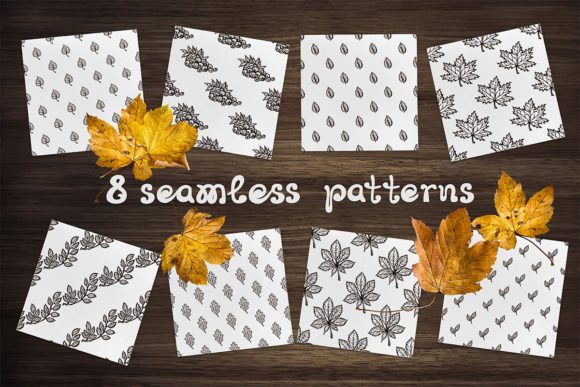
8 Fall Patterns Textures with Leaves
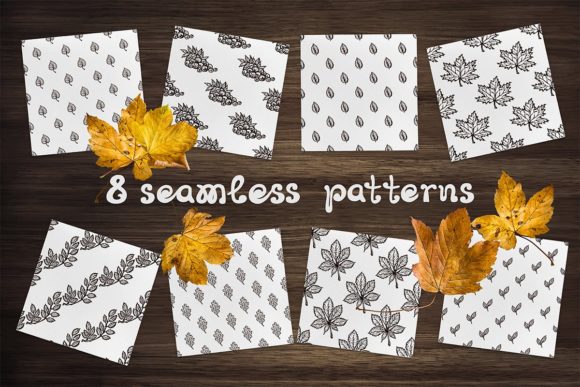
When designing digital projects, especially those that require a seasonal or thematic aesthetic, having the right visual assets can make a significant difference. 8 Fall Patterns Textures with Leaves is a collection of high-quality, versatile design elements that bring the essence of autumn to any creative endeavor. Whether you're working on branding, packaging, website backgrounds, or print materials, these patterns offer a rich and authentic look that resonates with fall's natural beauty.
Understanding the Collection
The set includes eight different JPEG files in RGB format, each measuring 8334 x 8334 pixels, making them ideal for large-scale applications such as banners, posters, or digital signage. Additionally, there are eight smaller JPEG files at 12 x 12 inches (3600 x 3600 px), perfect for web use, social media graphics, or email templates. The collection also features EPS10, SVG, PNG, PSD, and AI files, ensuring compatibility across a wide range of design software and platforms.
These seamless patterns are hand-drawn, meaning they repeat without visible seams, which is crucial for maintaining visual continuity in larger designs. The leaves are rendered in a variety of textures and colors, capturing the vibrant hues of autumn—ranging from deep reds and oranges to golden yellows and burnt browns. This diversity allows designers to choose the most appropriate pattern for their specific project needs.
Where It Fits in the Creative Process
8 Fall Patterns Textures with Leaves can be used at multiple stages of a design workflow. Before starting a project, these patterns can help establish a cohesive theme and mood, particularly for seasonal campaigns or events. During the design phase, they serve as background layers or accents, adding depth and texture without overwhelming the main content. After the design is complete, they can be used for mock-ups, presentations, or as part of a brand’s visual identity.
For example, a small business owner launching an autumn-themed product line might use these patterns as part of their packaging design, website layout, or promotional materials. A blogger creating a seasonal blog post could incorporate these textures into their page headers or sidebars to enhance the visual appeal and thematic consistency.
Integration with Other Tools and Resources
One of the strengths of this collection is its compatibility with various design tools. The availability of both vector (EPS10, AI) and raster (JPEG, PNG) formats means that designers can easily adapt the patterns to suit their preferred workflow. For instance, a graphic designer using Adobe Illustrator can import the AI files directly into their project, while a web developer might prefer the SVG format for responsive design elements.
Additionally, the PSD files allow for layer-based editing, which is particularly useful when integrating the patterns with other design elements. This flexibility ensures that the textures can be customized, adjusted, or combined with other assets without losing quality or integrity.
Practical Implementation Tips
To get the most out of 8 Fall Patterns Textures with Leaves, consider the following tips:
- Use as Backgrounds: Apply the patterns as background layers in your design projects to create a warm and inviting atmosphere.
- Layer with Content: Use the textures as overlays or accents to highlight key elements without overpowering the main message.
- Test Across Devices: When using the patterns online, ensure they render well on different screen sizes and resolutions.
- Combine with Color Schemes: Pair the textures with complementary colors to maintain visual harmony and balance.
- Save in Multiple Formats: Export the patterns in different file types to suit various project requirements and platforms.
By following these best practices, designers can effectively integrate these textures into their workflows, enhancing both the aesthetics and functionality of their work.
Workflow Examples
Let’s explore a few real-world scenarios where 8 Fall Patterns Textures with Leaves can be applied:
- Branding Campaign: A local bakery might use these patterns in their packaging, website, and social media posts to create a cohesive autumn-themed brand identity.
- Print Materials: A magazine publisher could incorporate the textures into their cover designs or section dividers to add visual interest.
- Digital Marketing: An e-commerce store selling seasonal products might use the patterns in their product images, banners, and email newsletters to reinforce the fall theme.
- Education and Publishing: A teacher or author could use the textures in educational materials or book covers to create a more engaging and visually appealing presentation.
These examples demonstrate how the textures can seamlessly fit into diverse workflows, enhancing both the creative and functional aspects of a project.
Factors to Consider
When incorporating 8 Fall Patterns Textures with Leaves into your work, it's important to consider several factors:
- Preparation: Organize the patterns by type, color, and purpose to streamline your workflow and make them easily accessible.
- Compatibility: Ensure that the chosen file format is compatible with your design software and intended use case.
- Usability: Test the patterns in different contexts to confirm they meet your design goals and aesthetic preferences.
- Organization: Keep track of your usage and note which patterns work best for specific projects to build a valuable reference library.
- Efficiency: Use the patterns to reduce the time spent on repetitive tasks, such as creating custom backgrounds or textures from scratch.
- Consistency: Maintain a consistent style and tone across all design elements to create a unified and professional look.
- Quality Control: Always review the final output to ensure the patterns are rendered correctly and do not compromise the overall quality of the design.
- Long-Term Use: Store the patterns in a centralized location so they can be reused in future projects, saving time and effort in the long run.
Conclusion
Incorporating 8 Fall Patterns Textures with Leaves into your design process can elevate the visual impact of your work while streamlining your workflow. These textures are not just decorative elements—they are powerful tools that can enhance the storytelling, branding, and overall user experience of your projects. By understanding how to use them effectively and integrating them into your creative routine, you can achieve professional results that align with the seasonal themes and aesthetic preferences of your audience.